
A lawn with thick, even grass creates a welcoming first impression for any property, but when weeds start to creep in, that smooth appearance can turn sour fast.
Many homeowners struggle with weeds in Pennsylvania because the climate and soil conditions support quite a few unwanted plants. Learning how to recognize common species and choose the right control methods makes it easier to keep your yard healthy in the long run.
Here’s a rundown of which weeds in PA show up most often, what they tell you about your lawn, and practical steps that help you get control back.
Why Do Weeds Grow on Lawns in Pennsylvania?
Before looking at individual species of weeds, it helps to understand why common weeds in Pennsylvania appear in the first place.
Weak or thinning turf, compacted soil, poor drainage, and inconsistent fertilizing all create openings. When grass becomes stressed, weed seeds find bare spots and germinate faster than desirable turf.
The state’s weather patterns play a role, too. Warm summers, cold winters, and frequent moisture support both cool-season and warm-season weeds. Without a consistent care plan, a lawn full of weeds can develop in just a year or two as unwanted plants outcompete turfgrass.
Healthy soil, the right mowing height, and a balanced fertilization program are some of the most effective tools for long-term weed prevention. Professional lawn fertilization and weed control services can help tailor treatments to local conditions so grass has what it needs to grow thick and strong.
What Are The Most Common Weeds in PA?
Homeowners tend to see the same species of weeds come back year after year. Recognizing them makes it easier to decide which steps will give you the best results.
Here’s what to look for:
Crabgrass
Crabgrass is one of the most familiar grassy weeds in PA. It thrives in thin turf and compacted soil, especially along sidewalks and driveways where temperatures run higher. It grows low and spreads outward, forming a star-shaped clump.
Solution: This weed germinates in late spring when soil temperatures rise. Pre-emergent products applied at the right time can greatly reduce its presence. If it is already visible, mowing at the proper height and overseeding in fall help the lawn gradually crowd it out.
Dandelions
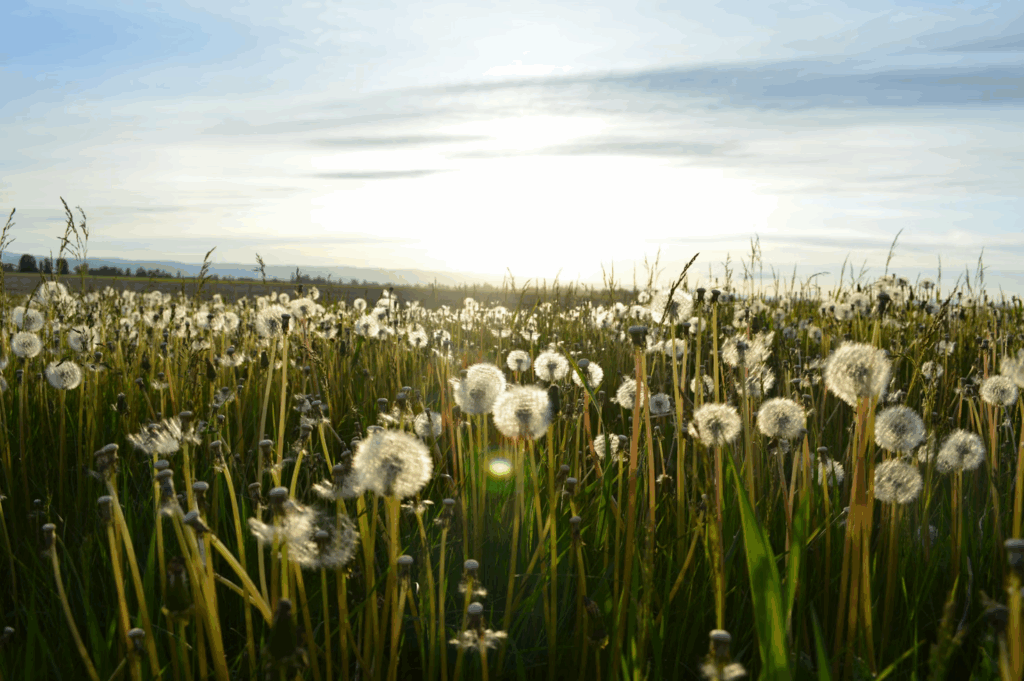
When you think about Pennsylvania weeds, dandelions might come to mind first. These plants have bright yellow flowers that later turn into fluffy white seed heads. Dandelions have deep taproots that reach down into the soil, so pulling them often leaves part of the root behind.
Solution: Broadleaf weed control products can address large populations of dandelions. Improving nutrient balance through a structured fertilization plan also supports turf density, which stops new dandelions from appearing.
Broadleaf Plantain
Broadleaf plantain forms flat rosettes of leaves with tall seed stalks. It grows well in compacted soil and often appears in high-traffic areas where the ground is pressed down. When you see this weed, it usually means you need to aerate your soil.
Solution: Core aeration allows air, water, and nutrients to reach grass roots more easily. When combined with overseeding and proper fertilizing, it helps turf thicken and reduce plantain populations over time.
Clover
Clover is another common Pennsylvania weed that often pops up on lawns. It has small, rounded leaves and spreads in low patches. Many lawns with limited nitrogen show increased clover because this plant produces its own nitrogen.
Solution: A regular nutrient program helps the grass compete more effectively. Once turf is thicker and healthier, clover has fewer opportunities to spread. Spot treatments can also be used in areas where clover keeps coming back.
Nutsedge
Nutsedge is often mistaken for tall grass, but it grows more upright and at a faster rate than typical turf. It prefers wet or poorly drained areas and spreads through underground tubers. If a lawn has ongoing drainage problems, nutsedge can become quite persistent.
Solution: Because it is not a true grass, nutsedge requires specific control products. Addressing drainage issues, such as standing water or overwatering, is also important for long-term results.
Ground Ivy
Ground ivy forms dense mats and spreads through creeping stems. It grows well in shaded, moist spots and produces small purple flowers in spring. Its low growth habit allows it to survive regular mowing.
Solution: Improving air flow and light in shaded areas can help discourage ground ivy. A combination of selective herbicides and cultural changes, such as adjusting mowing height and improving drainage, often works best.
How To Get Rid of Grassy Weeds in Lawn Areas
You might want to know how to get rid of grassy weeds in lawn areas without harming the turf. This can be a real challenge, since grassy weeds and desirable grasses share similar growth habits. The best approach combines prevention, selective control, and improved cultural practices.
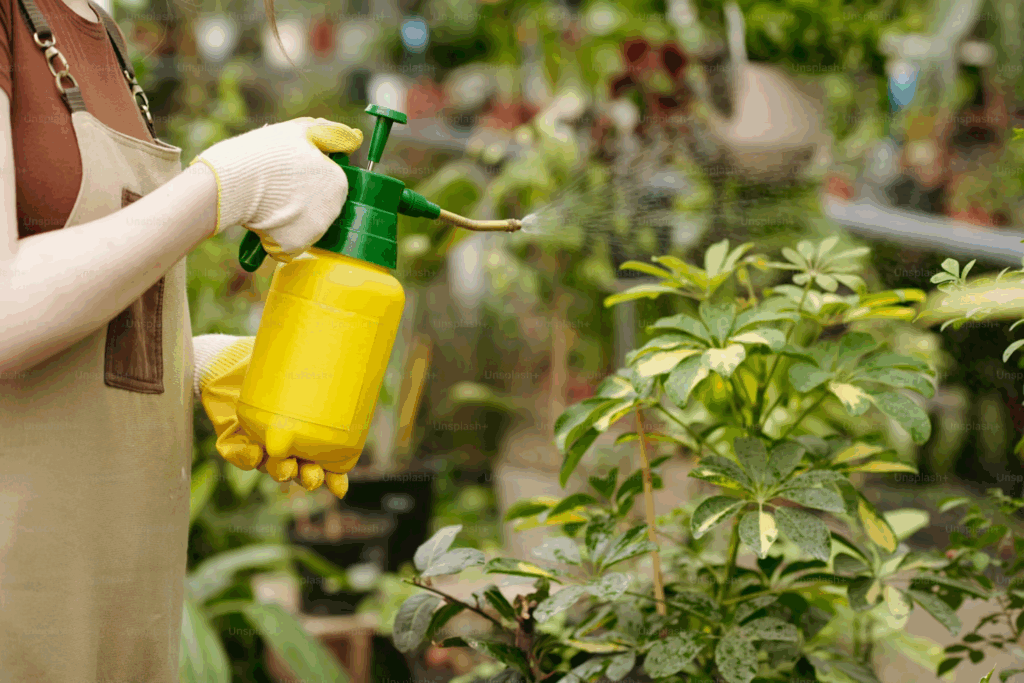
Using weed control products in early spring can reduce annual grassy weeds. For perennial types, selective products that target specific species might be necessary. At the same time, consistent mowing, proper watering, and a balanced nutrient program help grass fill in thin spots so fewer weeds pop up.
High-use yards often benefit from a defined care schedule. To understand how often treatments should be applied for busy properties, it can help to review guidance on lawn care services for high-traffic properties. This type of plan keeps turf resilient even with frequent foot traffic.
What To Do When Your Lawn Is Full of Weeds
If a lawn already has weeds across most of its surface, it may feel overwhelming to know where to start. In many cases, rather than with a single treatment, recovery happens through a series of steps as part of an overall lawn care strategy.
A full plan usually starts with assessing soil conditions and nutrient levels. Then, weed control professionals move on to applying products at the right times of year and aerating compacted areas. To compensate for weed damage, pros also focus on overseeding thin or bare sections.
Keep Weeds Under Control With Professional Support
Weeds in Pennsylvania are common, but they don’t have to define how your property looks. When your lawn receives consistent attention, the right nutrients, and carefully timed treatments, turf can gradually outcompete unwanted growth. Over time, this approach leads to fewer weeds, a more uniform appearance, and a yard that feels better underfoot.
If you are dealing with a lawn full of weeds or want a preventive plan tailored to your property, the team at Heilmann Landscaping can help. To schedule a consultation or request service, contact our weed care specialists today.